BLOOM SAFE: Make America the Safest Place to Be a Kid Act
BLOOM SAFE: A National Partnership for Ending Child Sexual Abuse (CSA) is a billion-dollar public-private partnership uniting parents, professionals, communities, and Congress to end CSA in this generation.
BLOOM SAFE: MAKE AMERICA THE SAFEST PLACE TO BE A KID ACT (PDF DOWNLOAD)
BLOOM SAFE IN WASHINGTON D.C.
Body Safety Children's Book Author Panel
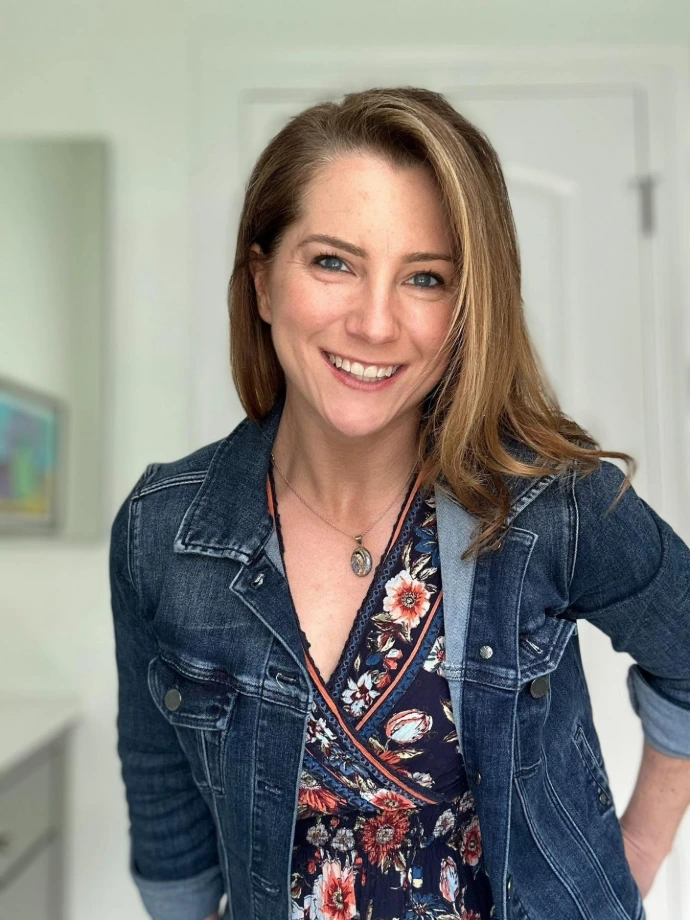
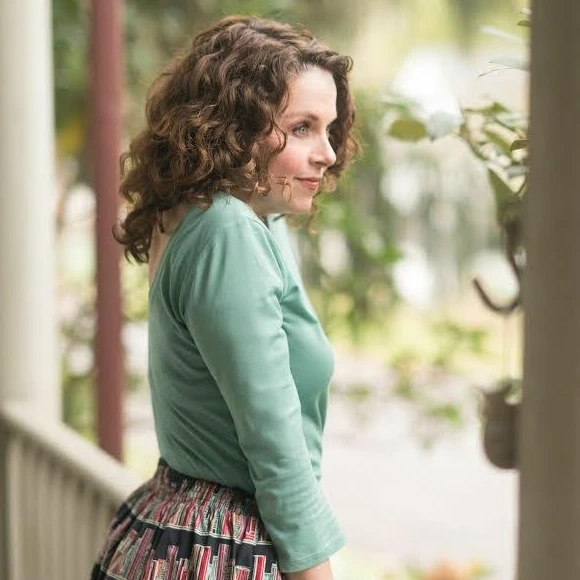
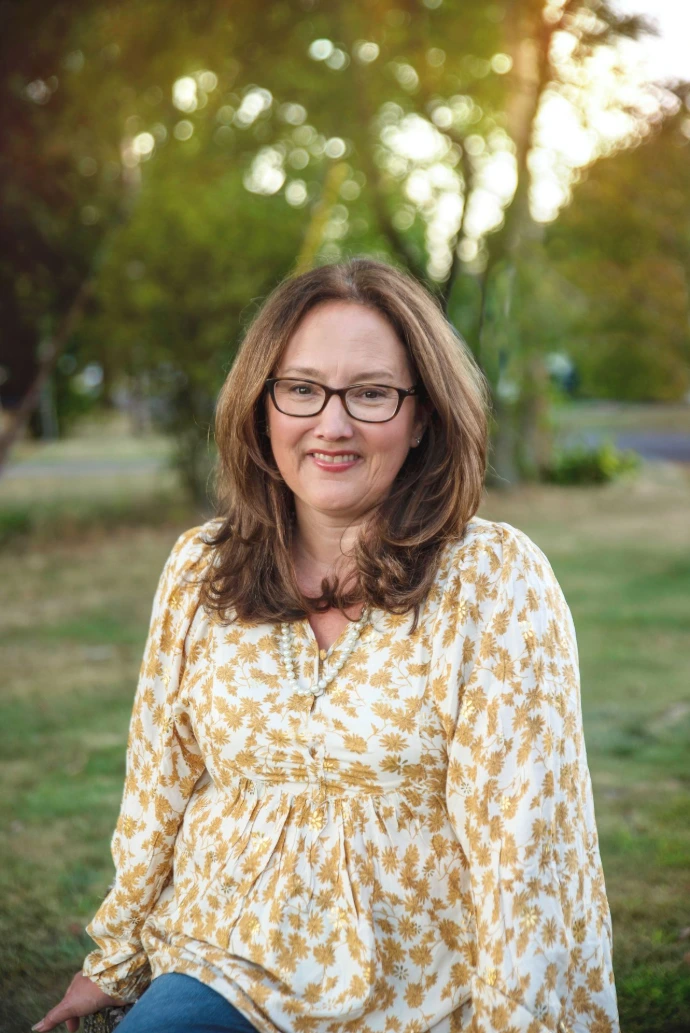
Together with The Mama Bear Effect, we recently hosted an informative and impactful conversation about body safety children's books. Moderated by Donna Bulatowicz, featuring Adrianne Simeone, Diane Tarantini, Kimberly King, Patrice Griffin, and Steve Simons, facilitated with Q&A managed by Natalie Moon.
Panelists
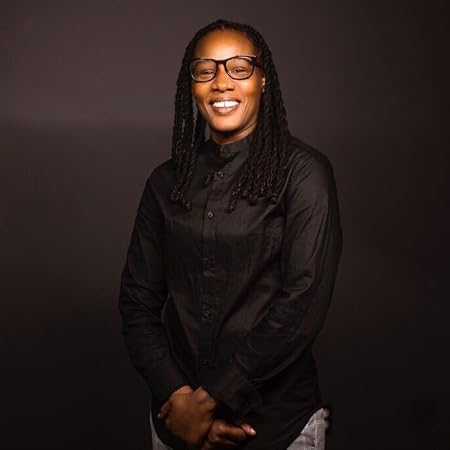
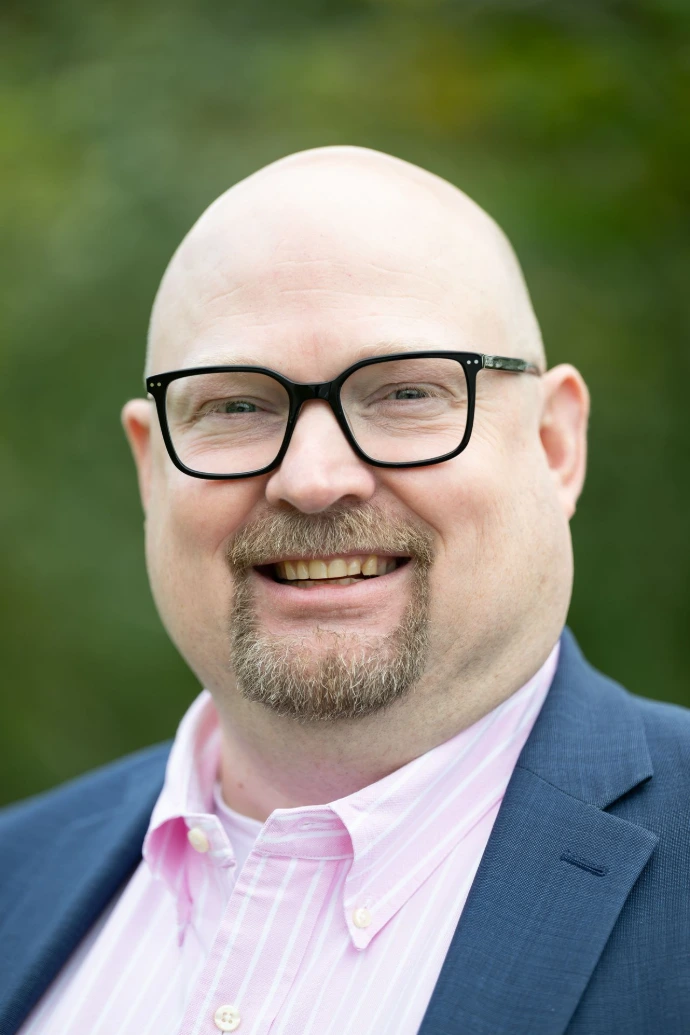
Facilitator
Moderator
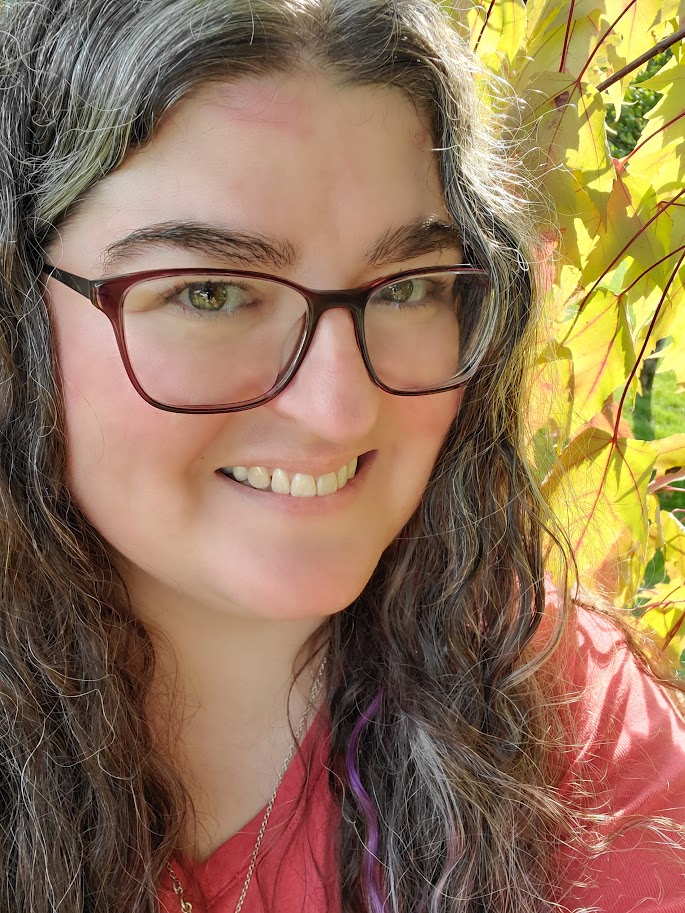
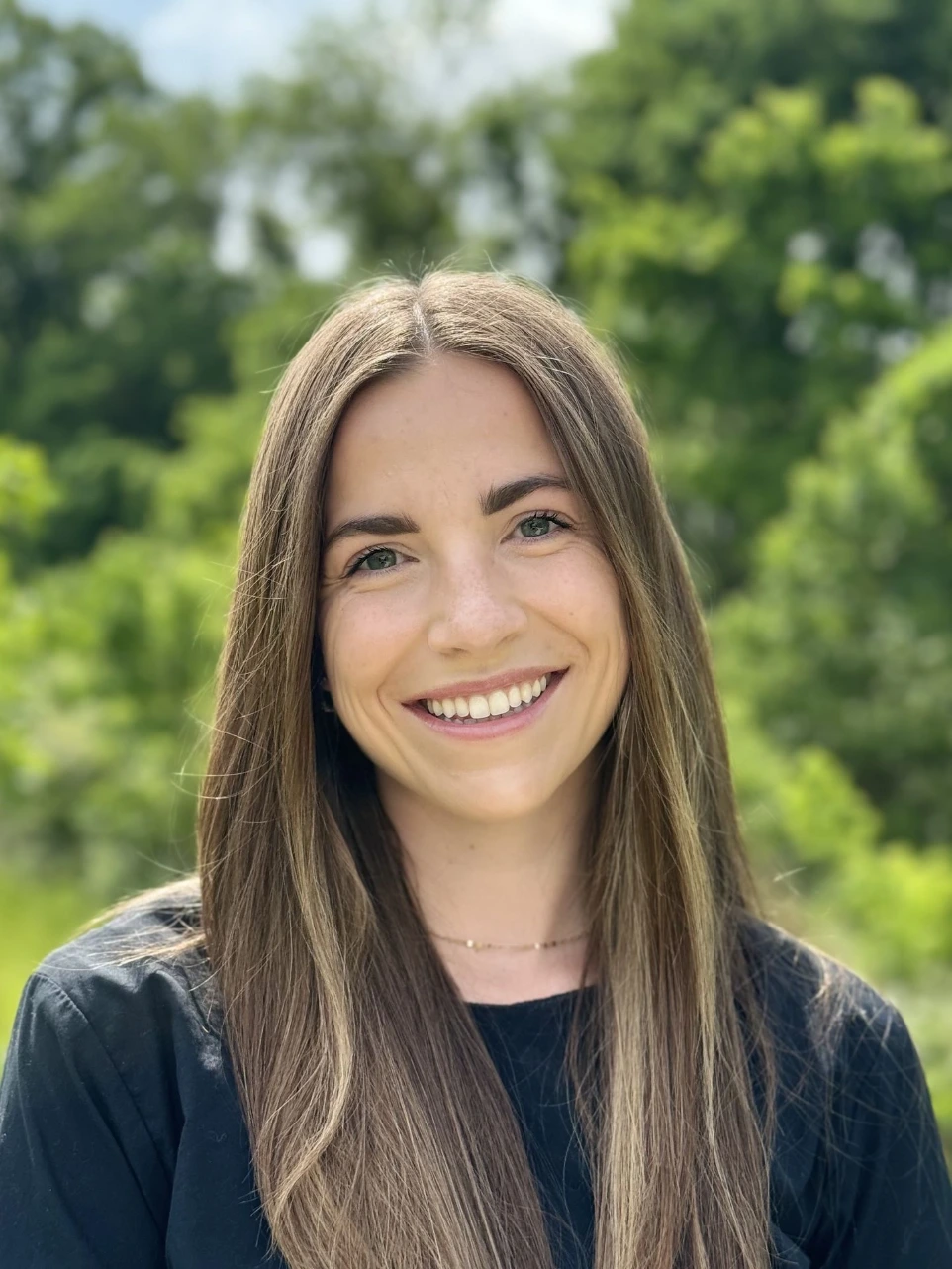
Watch The Back To School Body Safety Author Chat Here!
Fast Facts on Child Sexual Abuse (CSA)

Prevalence: 1 in 4 girls and 1 in 13 boys experience abuse before the age of 18, yet most do not disclose it during childhood.
Centers for Disease Control and Prevention, National Center for Injury Prevention and Control. (2019). Report to Congress on Child Sexual Abuse Prevention.
Finkelhor, D., Shattuck, A., Turner, H. A., & Hamby, S. L. (2014). The lifetime prevalence of child sexual abuse and sexual assault assessed in late adolescence. Journal of Adolescent Health, 55(3), 329-333.

Economic Impact: CSA costs the United States approximately $9.3 billion annually in healthcare, lost productivity, and justice system expenses.
Letourneau, E. J., Brown, D. S., Fang, X., Hassan, A., & Mercy, J. A. (2018). The economic burden of child sexual abuse in the United States. Child Abuse & Neglect, 79, 413–422.
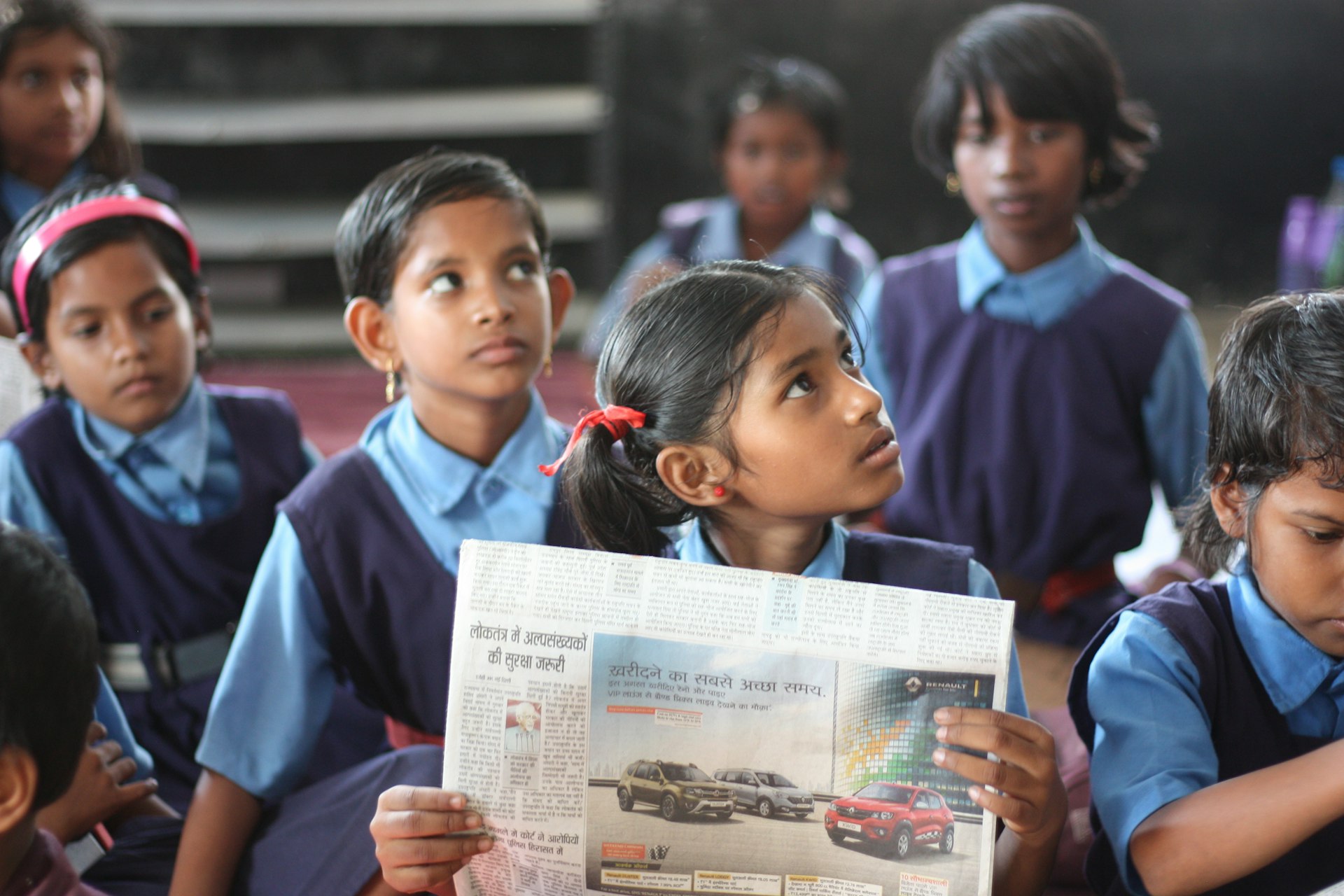
Perpetrator Familiarity: 93% of CSA perpetrators are known and trusted by the child, highlighting the importance of awareness and prevention.
Snyder, H. N. (2000). Sexual assault of young children as reported to law enforcement: Victim, incident, and offender characteristics (NCJ 182990). Washington, DC: U.S. Department of Justice, Bureau of Justice Statistics.

Effectiveness of Prevention: States that implement K-12 body-safety laws report a 22% increase in early abuse reports from schools, enabling quicker intervention and support.
Bright, M. A., Roehrkasse, A. F., Masten, S., Nauman, A., & Finkelhor, D. (2022). Child abuse prevention education policies increase reports of child sexual abuse. Child Abuse & Neglect, 134, 105932.
Understand the BLOOM SAFE Basics Without All The Reading
If you just want to get a grip on the fundamental aspects of the bill, or share it with your legislators to get them interested, download our Congressional One-Pager.
Rep. Vern Buchanan (R-FL) the FIRST MEMBER OF CONGRESS to Consider BLOOM SAFE: MAKE AMERICA THE SAFEST PLACE TO BE A KID ACT
On September 18, 2025, Congressman Vern Buchanan met with Steve Simons, the Founder of Bloom Safe, and Adrianne Simeone, President of The Mama Bear Effect, to discuss the BLOOM SAFE: MAKE AMERICA THE SAFEST PLACE TO BE A KID ACT.
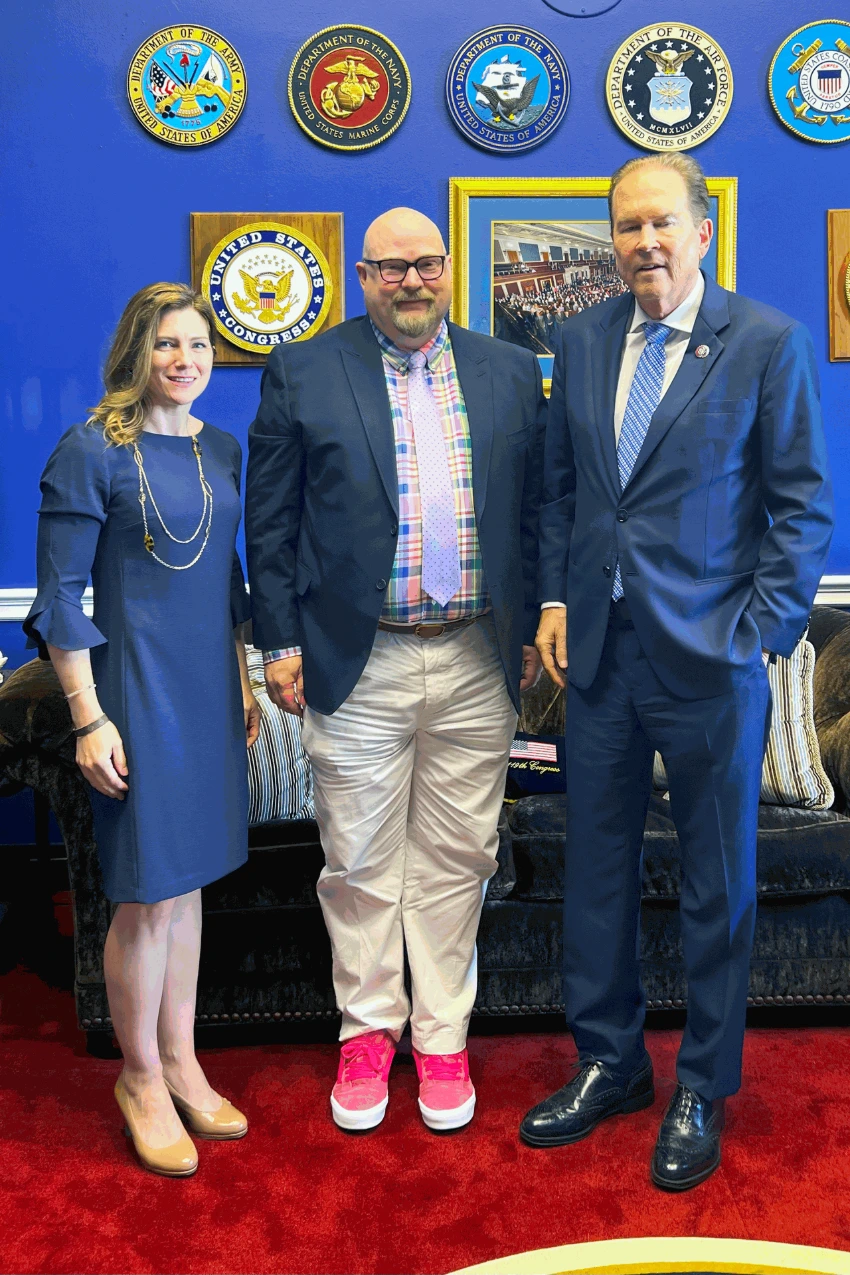
Pictured L-R Adrianne Simeone, Steve Simons, Congressman Vern Buchanan Meet in Washington, DC. (source Congressman Buchanan via Linkedin)


What is Bloom Safe?
Bloom Safe is a coast-to-coast action proposal to weave every evidence-based, proven strand of primary, secondary, and tertiary prevention into one federally coordinated initiative to make the United States the safest place to be a kid. This initiative is based on extensive peer reviewed scientific research, reviewed here in the BLOOM SAFE REPORT.
Our Vision
A nation where every child grows, learns, and thrives free from sexual harm.
Our Mission
To mobilize public, private, and faith-based partners behind a comprehensive, evidence-driven blueprint that ends child sexual abuse through education, empowerment, and care.
Why "Bloom Safe"?
“Bloom” evokes the potential in every child; “Safe” names the condition that allows that potential to flourish.
Our Story
Conceived by CSA survivors.
Building on the Foundation of Erin's Law
Informed by and built to follow evidence-based peer-reviewed studies and global best practice models.
Designed to unify every one across party lines to make America a leader in CSA prevention and healing.
Permanent investment. Annual public accountability. Community-led prevention. A national commitment to making America the safest place in the world to be a child.
For too long, America has responded primarily after a child has already been harmed. Investigations and accountability remain important, but they cannot substitute for prevention. Children deserve more than a system that reacts to abuse. They deserve a national strategy designed to stop abuse before it happens.
The updated Bloom Safe Act would establish that strategy.
Structured as submission ready legislation for the U.S. House of Representatives, this comprehensive discussion draft establishes child sexual abuse prevention as a permanent national public-health responsibility. It brings together survivors, families, educators, researchers, health professionals, faith communities, nonprofit organizations, governments, technology companies, and other community partners around a shared mission: protecting every child.
A permanent national investment in prevention
The updated draft provides $1 billion in federal funding every year, beginning in the fiscal year in which the Act is enacted and continuing in each fiscal year thereafter unless Congress changes the funding through a subsequent law.
This is not a temporary campaign or a short-lived pilot program. It is a commitment to building the sustained research, education, community capacity, and prevention infrastructure necessary to confront a public-health crisis of this magnitude.
Funding would support initiatives including:
Age-appropriate prevention education for children and students.
National training standards and voluntary certification for adults who work with or care for children.
Organizational prevention and child-safety standards.
Research into the incidence, prevalence, root causes, risk factors, protective factors, and effective prevention of child sexual abuse.
Survivor- and family-centered services.
Digital-safety initiatives addressing online grooming, exploitation, sextortion, and technology-facilitated abuse.
Public-awareness campaigns and confidential prevention resources.
Grants and cooperative agreements supporting prevention work in communities across the country.
Public reporting beginning in the first year
Public investment must be accompanied by public accountability.
The updated Act requires the first comprehensive national report to Congress within 180 days of enactment, followed by a new report every year.
These reports would provide the public and Congress with the best available information about:
The incidence and prevalence of child sexual abuse.
Known and emerging root causes, risks, and protective factors.
Evidence-based and promising prevention methods.
The performance and measurable results of funded programs.
Federal grantmaking and expenditures.
Gaps in available data and recommendations for improving the national response.
This annual reporting structure is intended to help replace fragmentation and guesswork with evidence, transparency, and continuous improvement.
Prevention as public health...not an expansion of law enforcement
The Bloom Safe Act is deliberately organized as a public-health initiative led through the Department of Health and Human Services and the Centers for Disease Control and Prevention, with the Department of Education serving in a central collaborative role.
The Department of Justice, Federal Bureau of Investigation, Department of Homeland Security, Secret Service, and other relevant agencies would contribute appropriate data, research, education, and professional expertise. Their participation, however, is expressly limited so the Act cannot be used to expand general law-enforcement operations, surveillance, prosecutions, or unrelated enforcement funding.
The legislation does support appropriate education, training, and certification for law-enforcement personnel, first responders, mandated reporters, educators, healthcare professionals, and other adults entrusted with children. The objective is prevention, recognition, appropriate response, and greater coordination—not the creation of another enforcement initiative.
A place for every community in the work of prevention
No single institution can prevent child sexual abuse alone. The updated Act therefore establishes a formal and accountable grantmaking structure through which prevention programs may be developed, evaluated, and expanded.
Eligible partners include:
State, territorial, Tribal, and local governments.
Public and private schools and early-childhood programs.
Colleges, universities, and research institutions.
Nonprofit, community-based, and survivor-led organizations.
Churches, synagogues, mosques, temples, and other faith communities.
Healthcare, behavioral-health, and public-health organizations.
Child advocacy centers and professional or credentialing organizations.
Technology, telecommunications, gaming, media, and online-platform companies, subject to strong safeguards.
Grant recipients would be required to establish measurable goals, protect privacy, report results, participate in appropriate evaluation, and comply with federal financial and ethical safeguards.
The goal is to help effective ideas grow, while ensuring that public funds produce meaningful, measurable benefits for children and communities.
A comprehensive understanding of child sexual abuse
The revised legislation preserves and strengthens a broad public-health definition of child sexual abuse.
It encompasses contact and noncontact abuse, attempted or threatened abuse, grooming, child sexual abuse material, trafficking, sextortion, compelled self-generation of sexual content, and abuse facilitated through digital or emerging technologies.
It also recognizes that abusive conduct can occur between minors when coercion, manipulation, force, a substantial power imbalance, or a significant developmental disparity is present.
For research and prevention purposes, an incident does not have to result in an arrest, charge, prosecution, or conviction before it can be recognized and studied as child sexual abuse. At the same time, the definition is carefully drafted so it does not itself create a new criminal offense or independently change civil or criminal liability.
Survivors and communities at the table
The updated Act creates a national Advisory Board of 31 to 41 voting members, with at least one-fourth of its membership reserved for adult survivors.
Its membership would also include researchers, prevention practitioners, educators, youth-development experts, healthcare professionals, disability and accessibility advocates, faith and community leaders, governmental representatives, technology and digital-safety experts, and others whose knowledge is essential to effective prevention.
Non-Federal members would be compensated for the real work required of them—including meeting preparation, subcommittee participation, consultation, and travel time. The Act also provides for travel reimbursement and reasonable accessibility, language, technology, dependent-care, and trauma-informed participation support.
Participation in a national initiative of this importance should not be limited to people who can afford to work for free.
What happens next
What we have is a legislative discussion draft, not yet an introduced bill. It is now ready for review by prospective congressional sponsors, House Legislative Counsel, relevant committees, community partners, survivors, and subject-matter experts.
That makes this a pivotal moment.
We need supporters across the country to read the draft, share it, discuss it with their organizations and communities, and ask their representatives to support a permanent national commitment to preventing child sexual abuse.
Here is how you can help today:
Read the completely updated BLOOM SAFE Act.
Send the updated draft to educators, researchers, faith leaders, nonprofit organizations, public-health professionals, technology leaders, and other people who care about protecting children.
Share this website (https://www.bloomsafe.org) and explain why prevention deserves a permanent place in national policy.
Ask your members of Congress to review the Bloom Safe Act and help move it toward introduction.
Child sexual abuse is not inevitable. Prevention is possible, but possibility becomes policy only when people choose to act.
Together, we can build a country in which every community has the knowledge, resources, and responsibility to protect children.
Together, we can make America the safest place in the world to be a kid.
Talking Points and Meeting Guide
Ready to meet with your Member of Congress or U.S. Senator? Want to bring together a local grassroots group to raise awareness? Or maybe you just want better guidance on how to talk about the BLOOM SAFE ACT?
Our Five Pillars
The BLOOM SAFE initiative focuses on five pillars:
Age-Appropriate PreK-12 Education
Curriculum and training for schools to teach body safety, body autonomy, consent, and safe online behavior, Pre-K through grade 12.
Adult Training and Certification
Evidence-based training modules and certifications for all mandatory reporters and those who work with or care for children. This means every teacher, school administrator, coach, pastor, daycare worker, healthcare worker, law enforcement, adoptive parents, foster-care parents, and so on -- EVERYONE who cares for or works with children.
National Awareness Campaigns
Multimedia outreach to break the silence, change norms, inform culture, raise support, and engage families, communities, and youth serving organizations to help.
Trauma-Informed Survivor Services
Funding to put a Children’s Advocacy Center or mobile team within 60 minutes of every child.
Research & Accountability Hub
A permanent HHS–DOJ–CDC unit publishing annual prevalence and cost reports, driving policy with data.
Help us hit our next goal of
Five Hundred (500) Signatures
Sign the "Bloom Safe: Make America The Safest Place To Be A Kid" Petition
Make America the Safest Place to Be a Kid by signing our petition supporting BLOOM SAFE, a groundbreaking national initiative to end child sexual abuse (CSA) in this generation. Every year, millions of American children are affected by CSA, a preventable public health crisis with lifelong consequences. BLOOM SAFE unites schools, caregivers, healthcare providers, law enforcement, communities, and all those who care for and work with children through age-appropriate K–12 prevention education, certified training for child-serving adults, trauma-informed survivor support, national awareness campaigns, and cutting-edge research. This is not another small-scale program, it's the bold, coordinated strategy our children deserve. Sign the petition to tell Congress: it’s time to prioritize prevention, fund solutions that work, and make the U.S. the global leader in child safety.
.
Share The BLOOM SAFE Petition
If you would like to get involved. Share this link with your friends and get them to sign and share our "Make America The Safest Place To Be A Kid" petition.
https://www.change.org/bloom-safe
Get Your Community Involved.
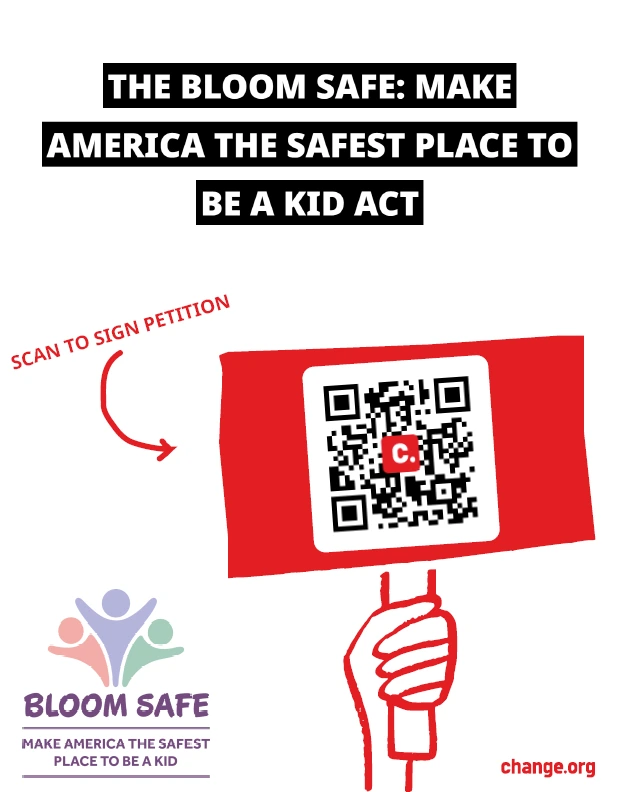
Download, Print, and Post This Poster
You can help us spread the word by downloading this easy to print 8.5x11" PDF poster.
There is no magic, raising awareness takes your participation and action! There are many community bulletin boards at churches, schools, coffee shops, libraries, senior centers, rec centers, grocery stores, community centers, and more. You can print it in B&W or in color, the QR code works either way to take people to:
where they can add their name to the growing number of advocates, supporters, and endorsements for the BLOOM SAFE: MAKE AMERICA THE SAFEST PLACE TO BE A KID ACT.
Give it a try. Print five copies and then drive around your town finding all of the places that welcome the opportunity to have posters like this on their community bulletin boards!
Prevention is Possible – and Affordable.
A single prevented CSA case saves around $282,734 in lifetime costs while also sparing a child lifelong trauma.
Letourneau, E. J., Brown, D. S., Fang, X., Hassan, A., & Mercy, J. A. (2018). The economic burden of child sexual abuse in the United States. Child Abuse & Neglect, 79, 413-422.
Bloom Safe Updates
News from the frontlines of evidence-based CSA Prevention